Themed routes through the district
Wümme Cycle Path (250 km)

From the Lüneburg Heath to Bremen-Vegesack.
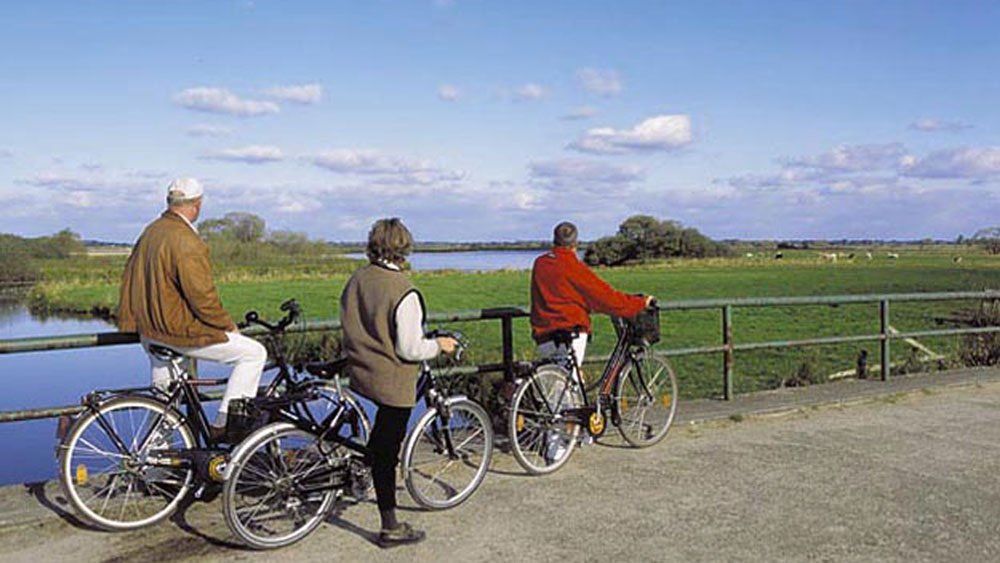
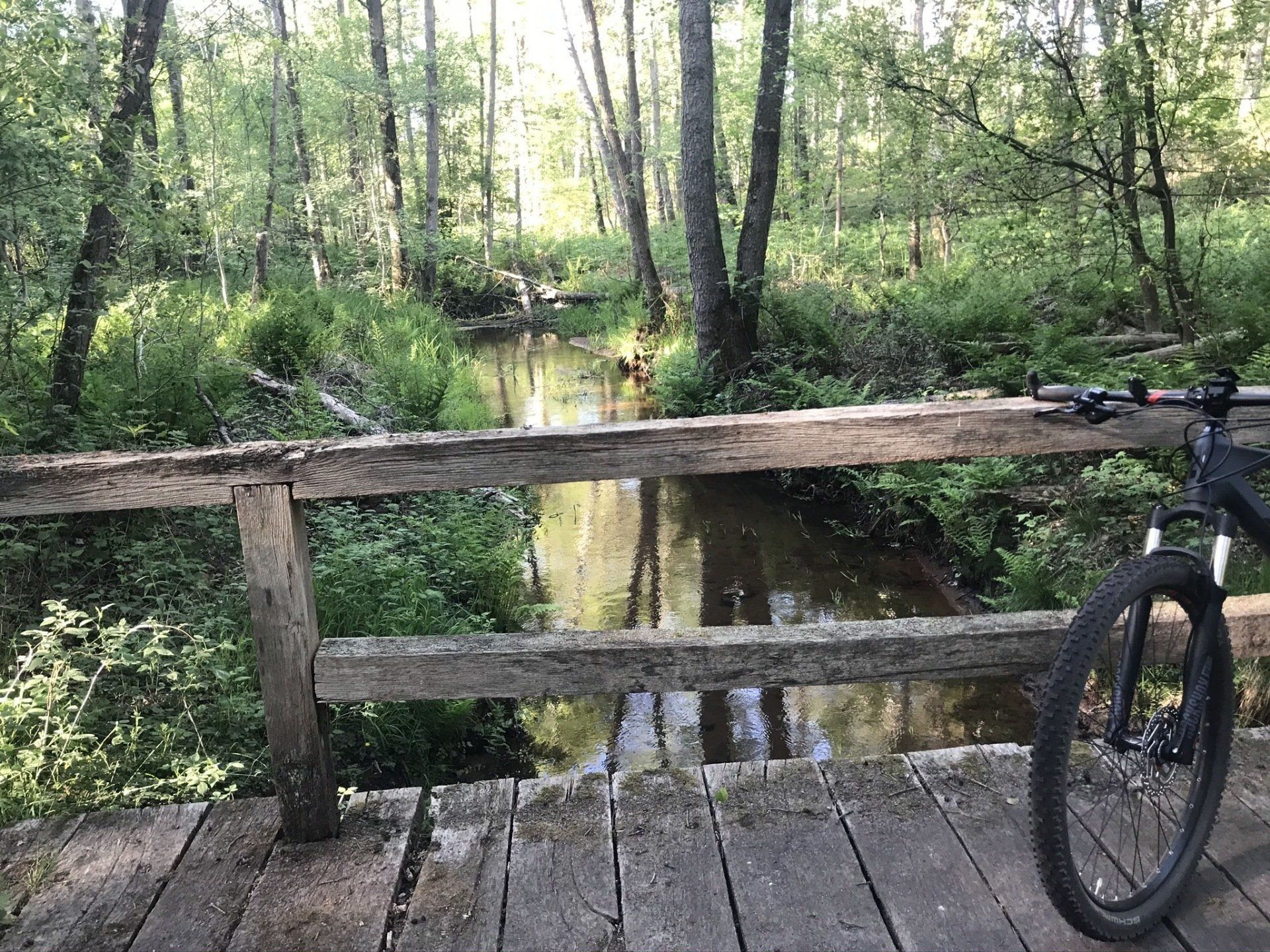
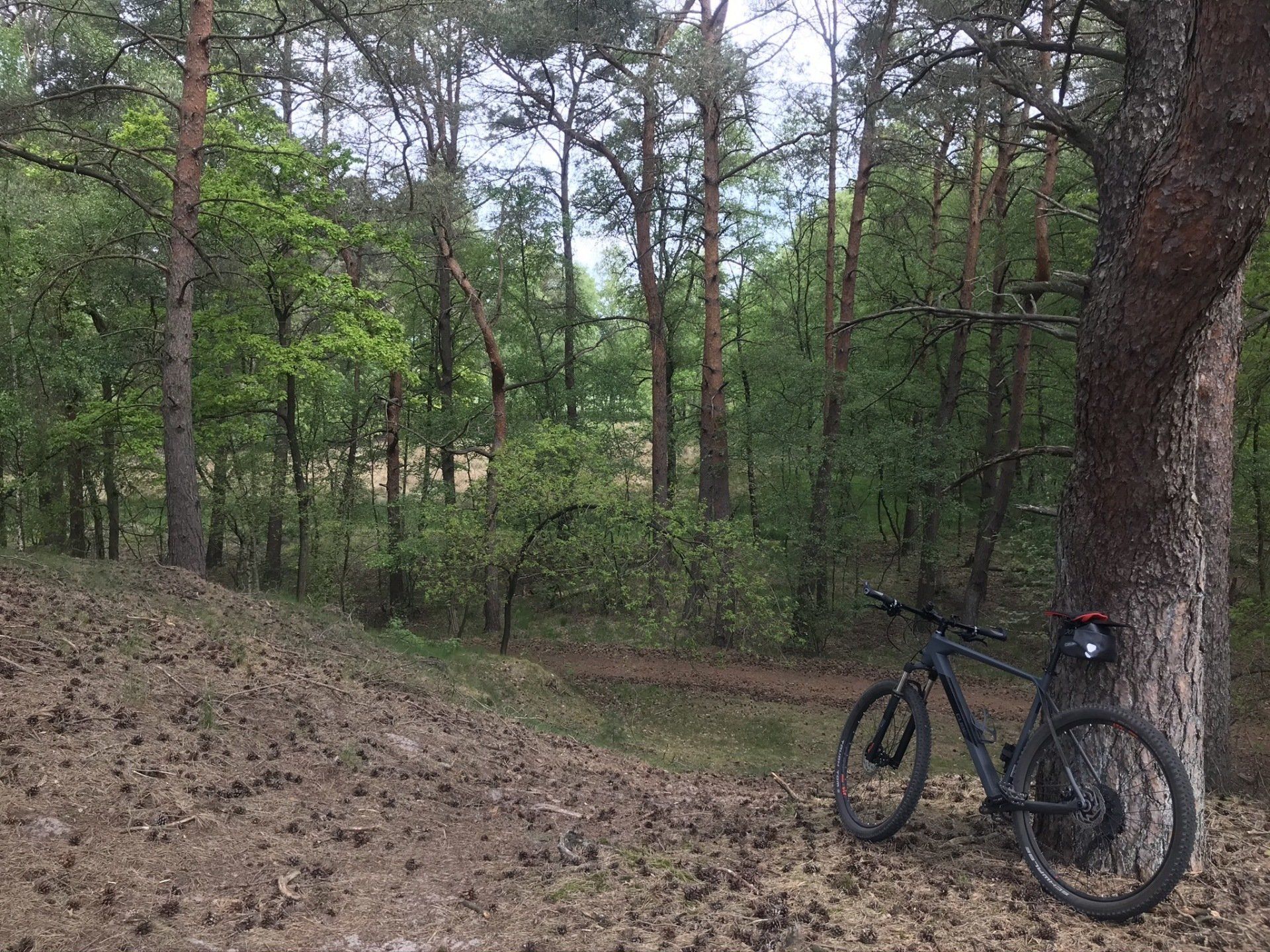
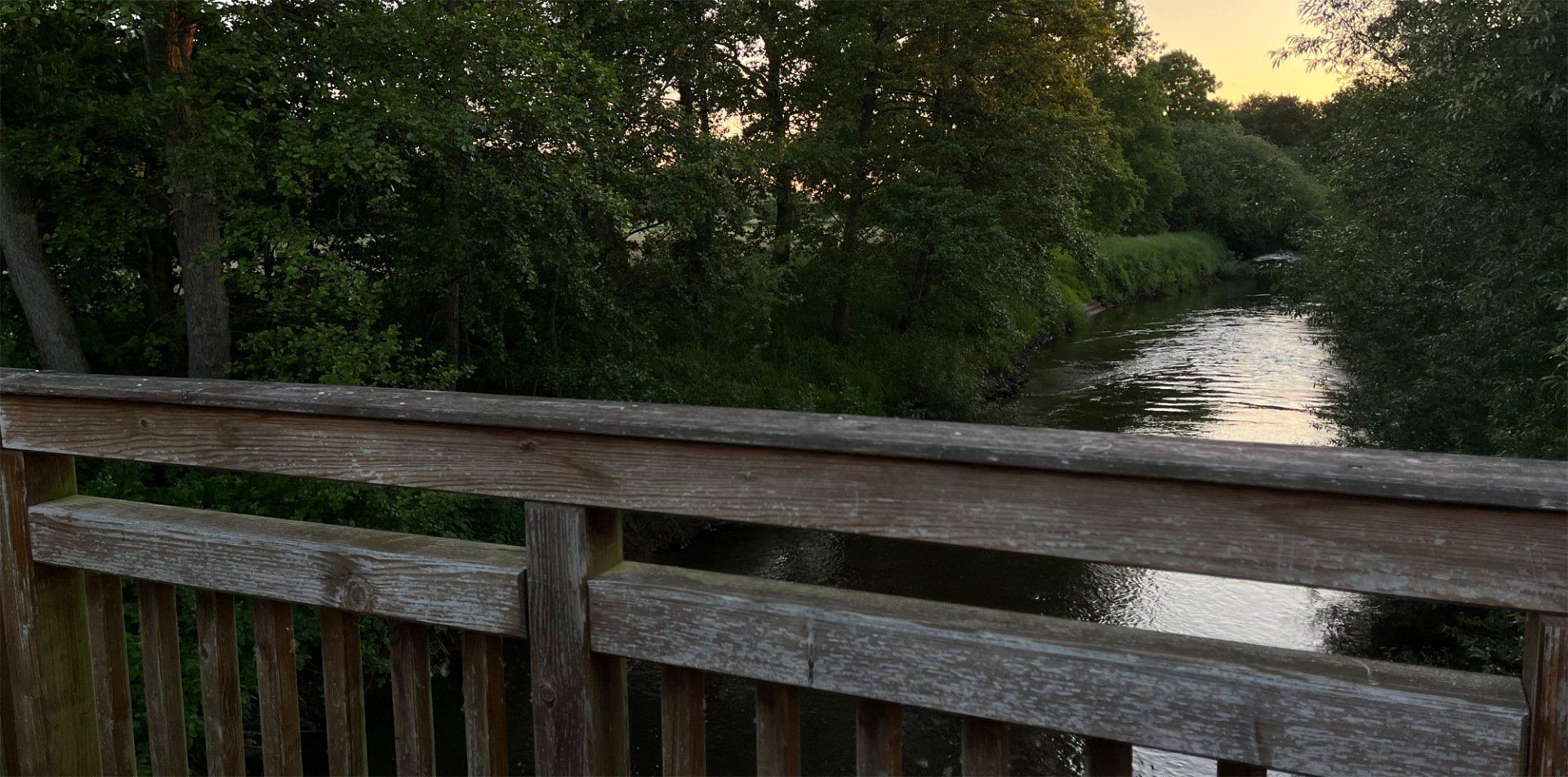
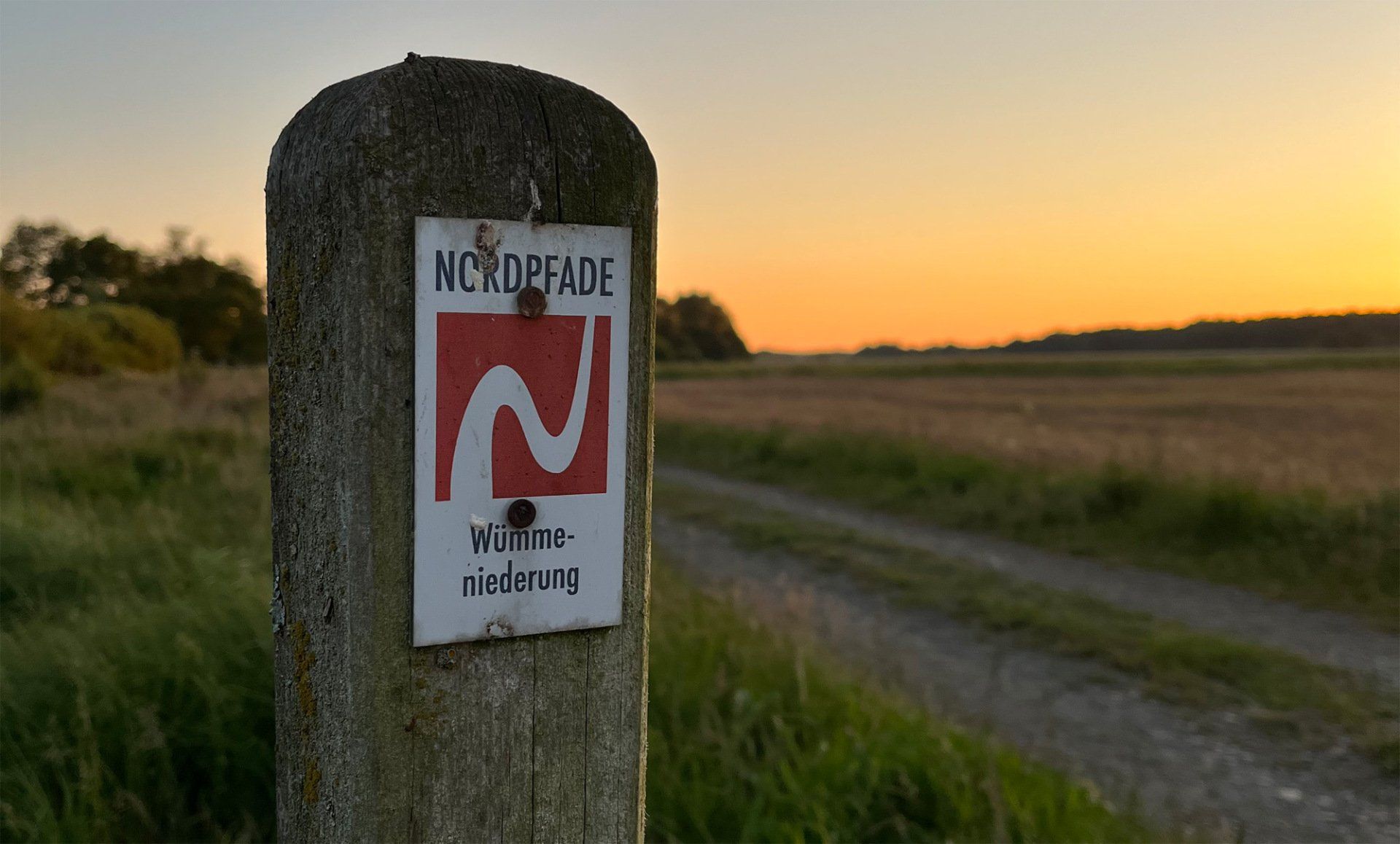
The Wümme Cycle Path, approximately 250 kilometers long, connects the Lüneburg Heath with the Free Hanseatic City of Bremen as a circular route. Enjoy a diverse North German landscape shaped by the Wümme River, from its source at the foot of the Wulfsberg hill to its confluence with the Lesum River and the Weser.
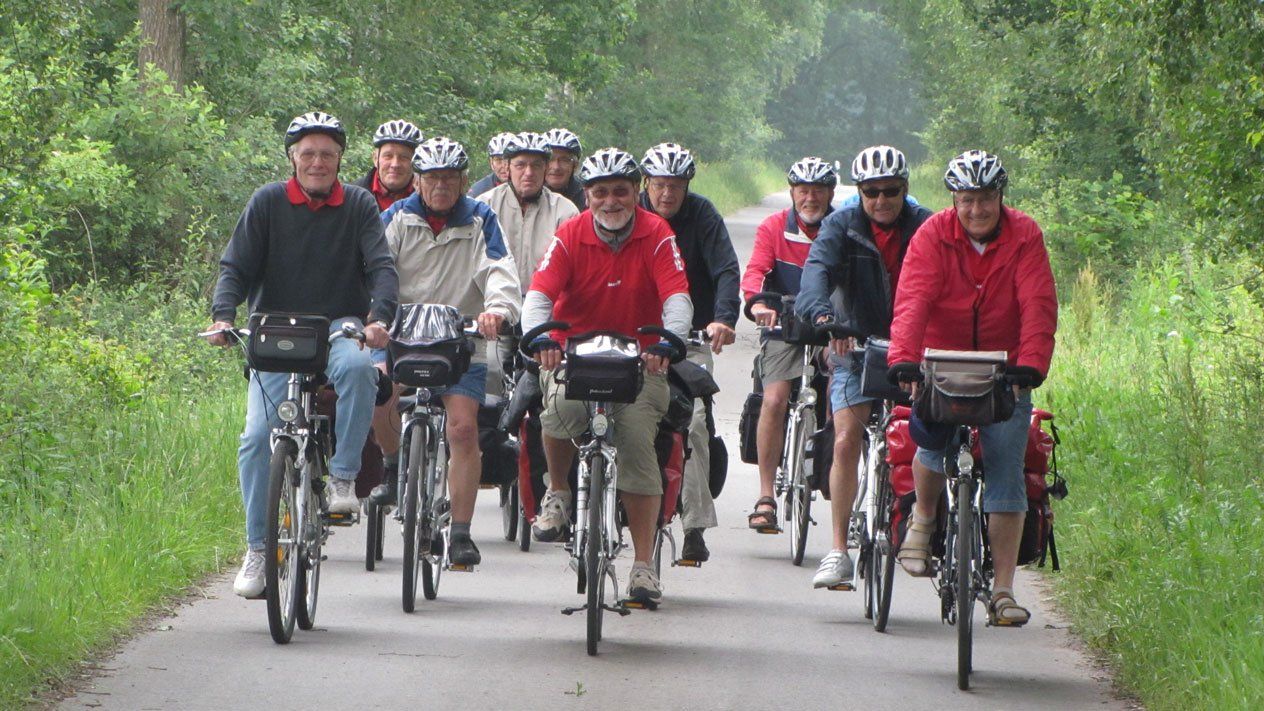
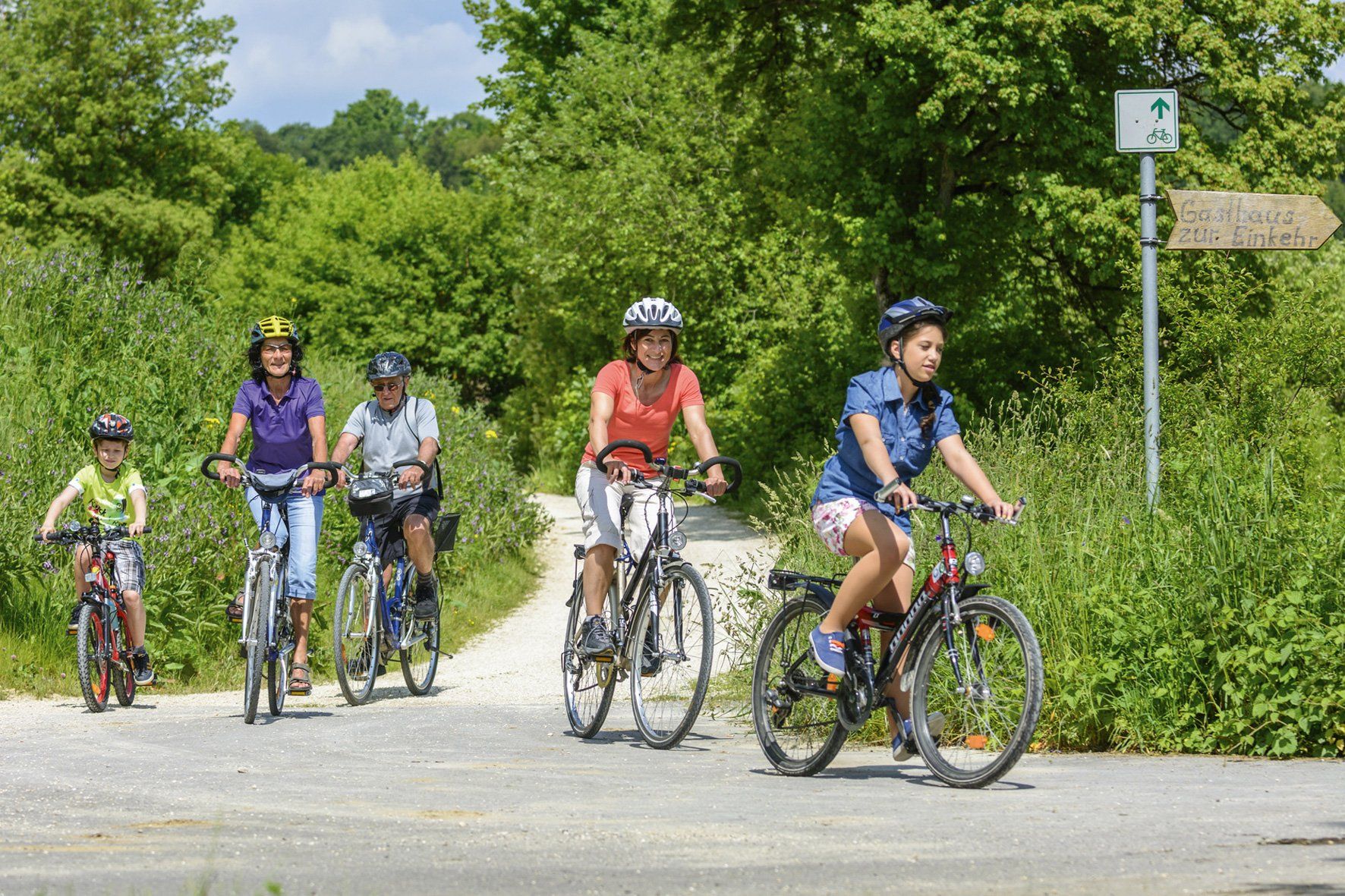
The Wümme Cycle Path consists of a northern route of approximately 125 km and a southern route of approximately 135 km, and is divided into attractive individual sections by numerous connecting paths. Therefore, the entire route is also suitable for day trips and families.
Mill Route (250 km)


Mill route through the district of Rotenburg (Wümme)
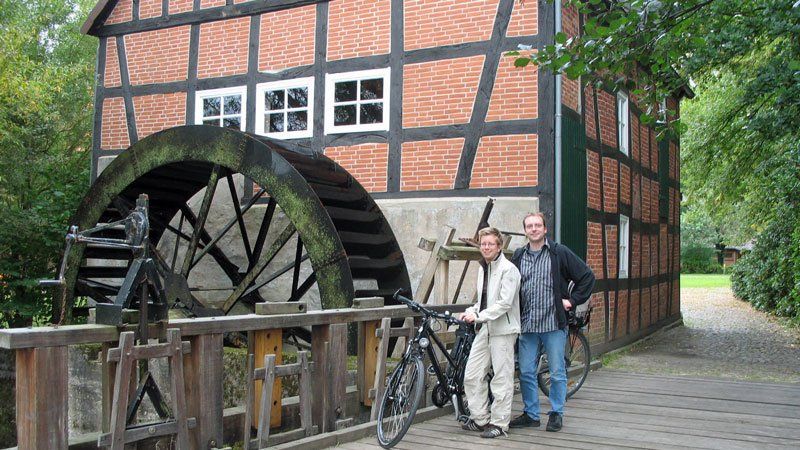
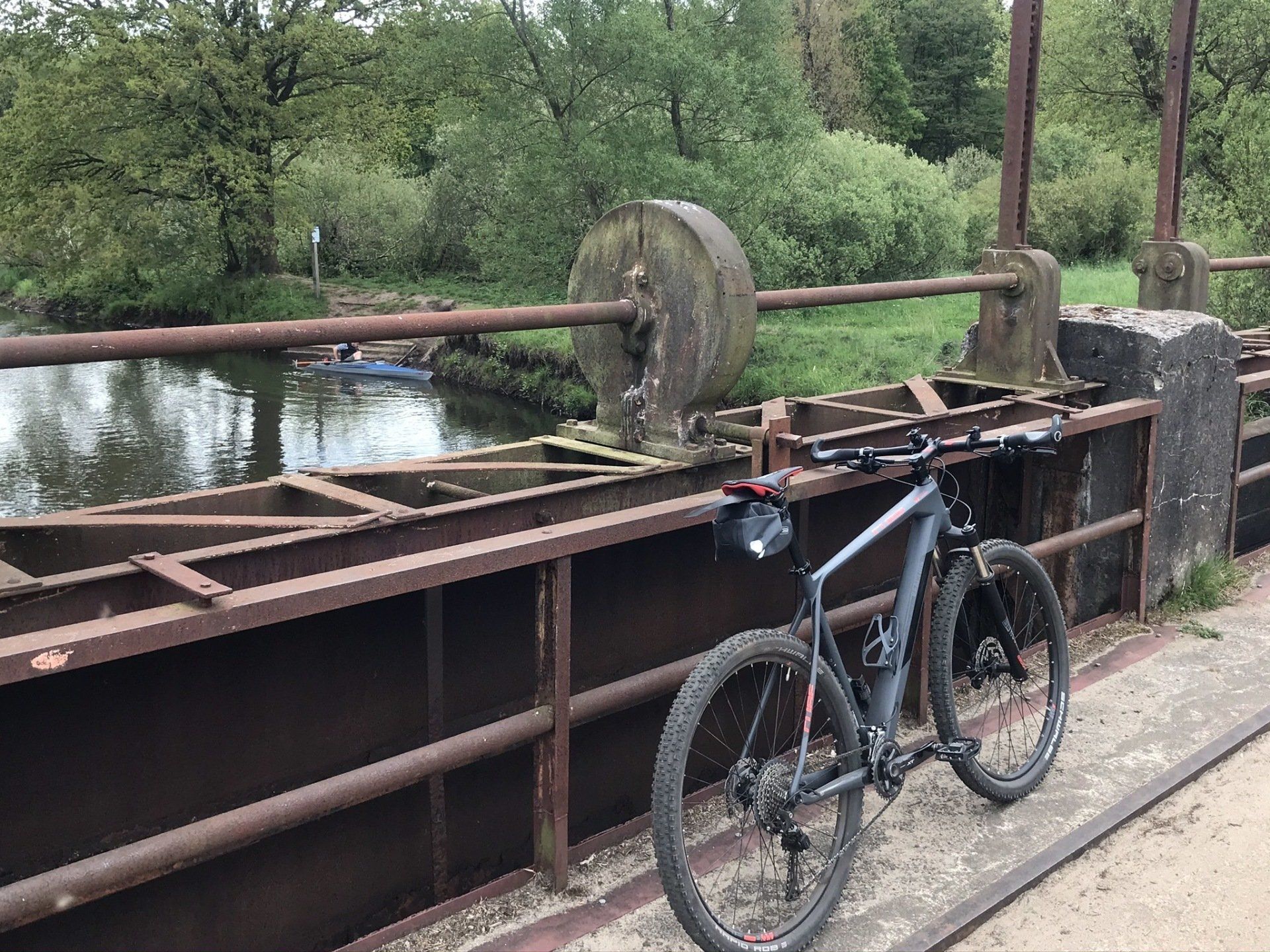
Numerous watermills, as well as some windmills and motor mills, lead visitors on this circular route back to bygone eras. The 250 km long route is divided into a northern, central, and southern route, each 90–100 kilometers long, so shorter tours are also possible.
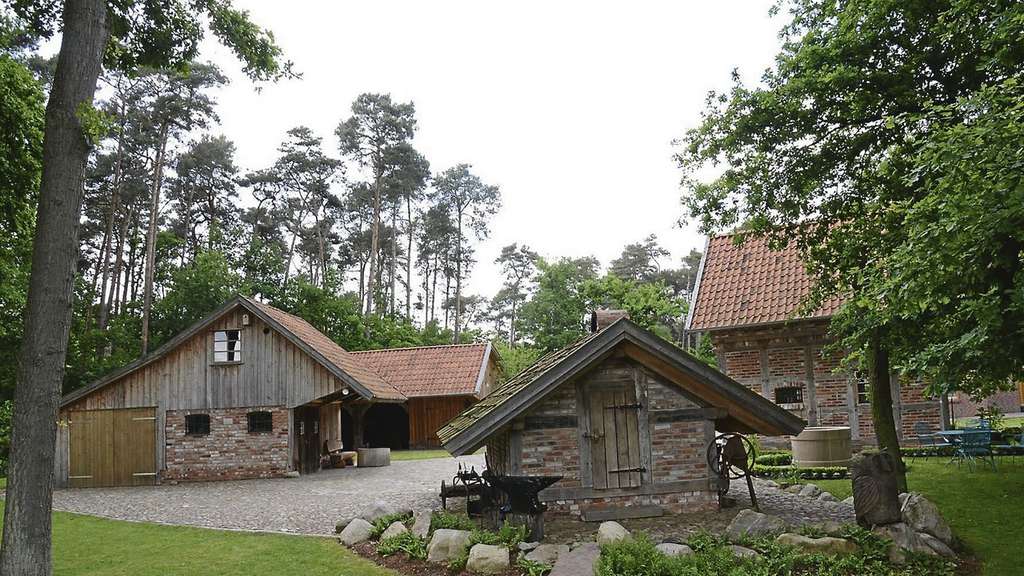
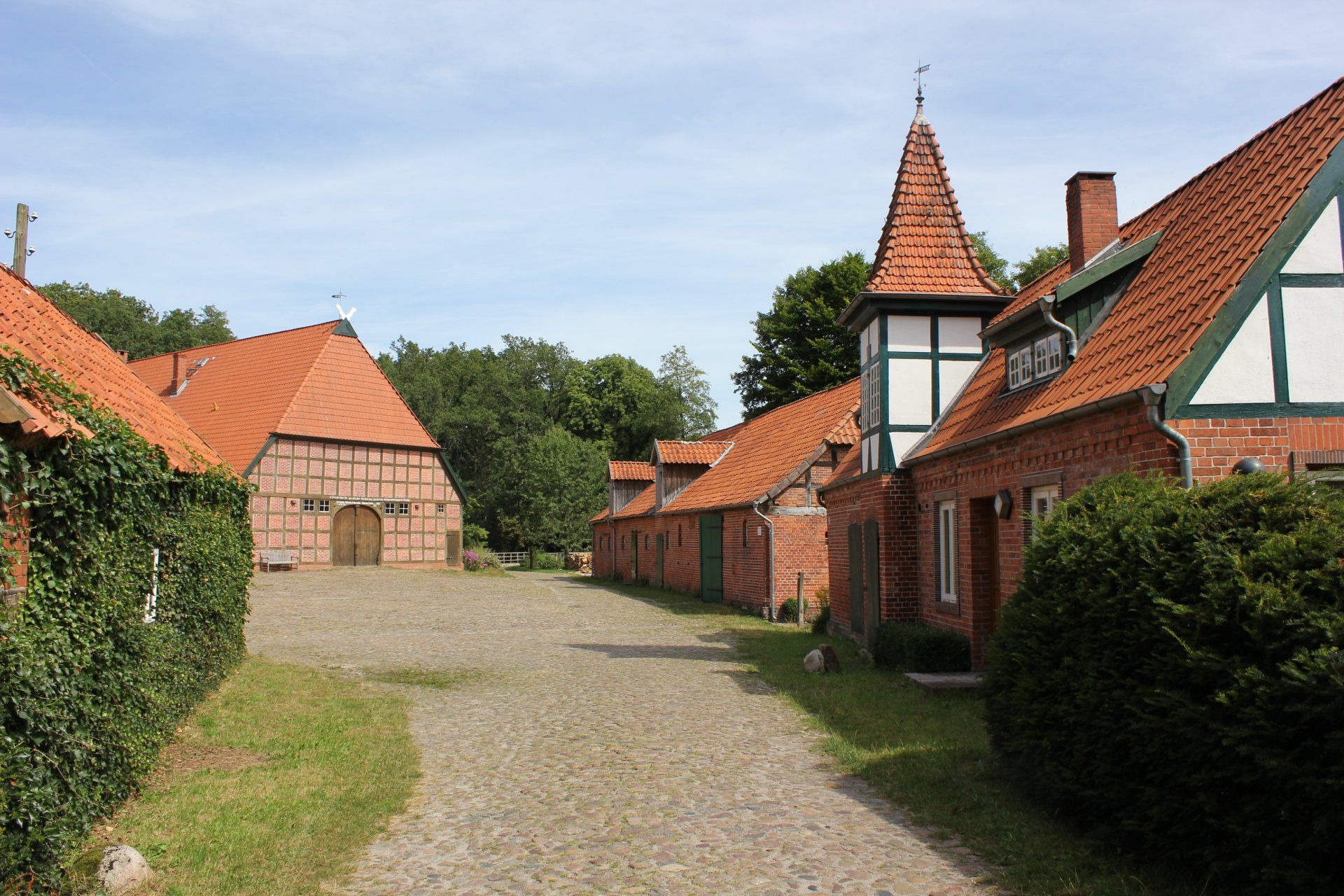
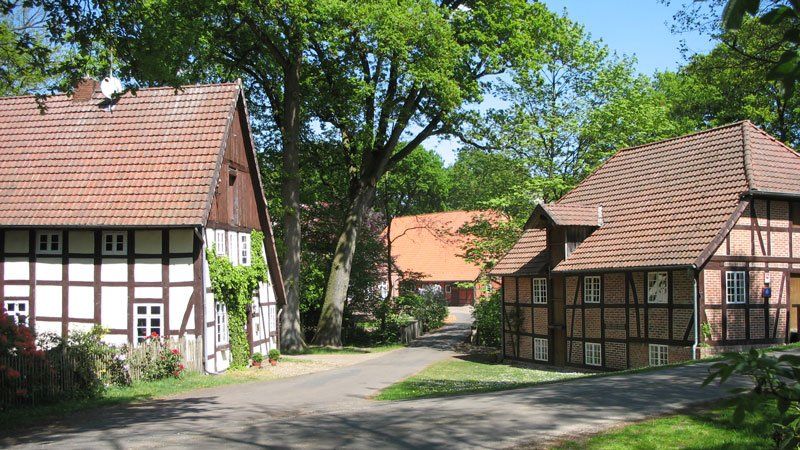
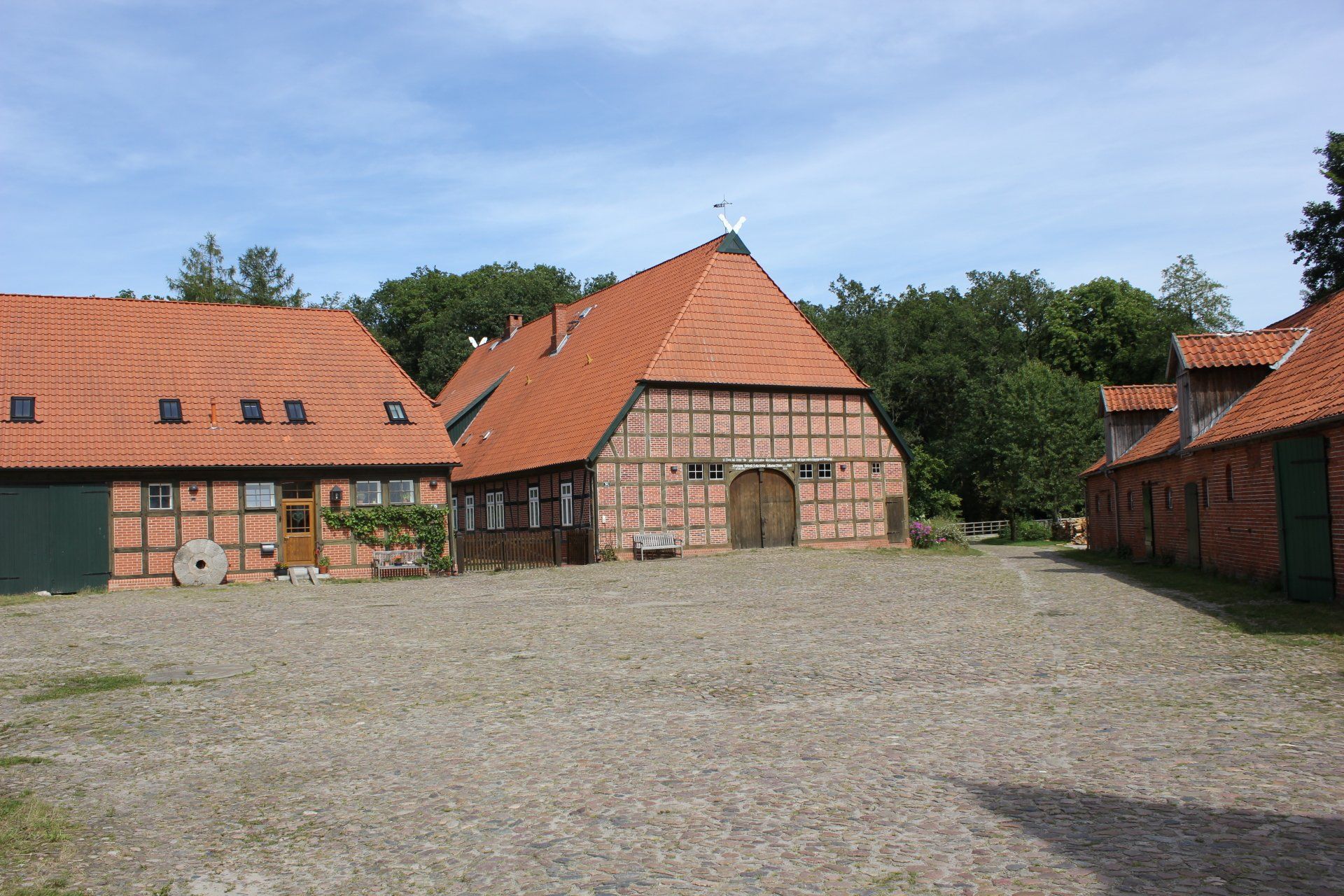
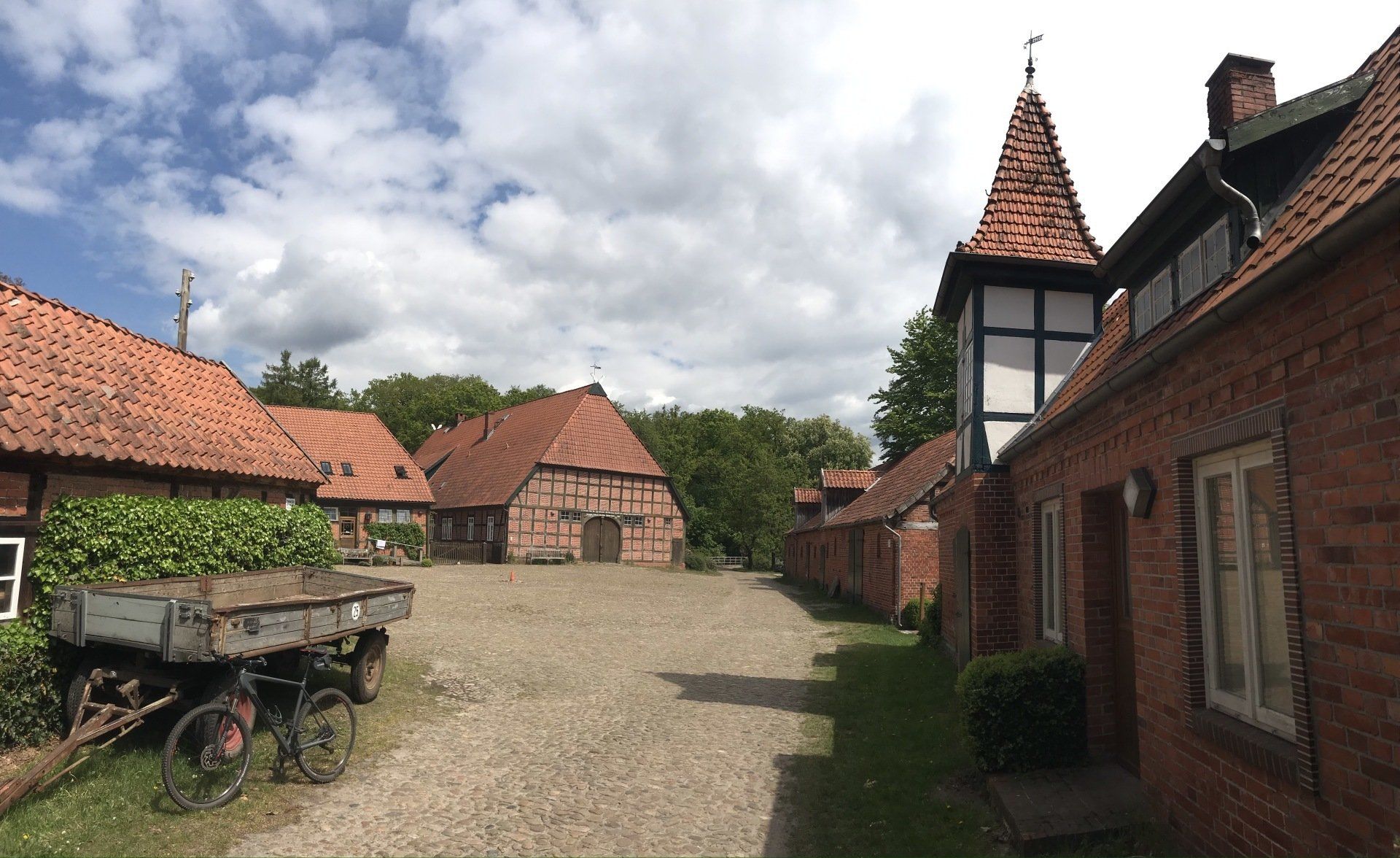
Many of the historic buildings have been lovingly restored and serve as reminders of the past. Beautifully situated, they invite visitors to dream and linger. Cafés and restaurants also offer the opportunity to enjoy homemade regional specialties in a historic setting.
The mill route in the district of Rotenburg (Wümme) is also part of the Lower Saxony Mill Route, which features more than 170 historic mills. Every year on Whit Monday, many of these mills open their doors and offer a varied program of events.
Herb route (50 km)

Through nature reserves and picturesque villages of the Wieste lowlands herb region
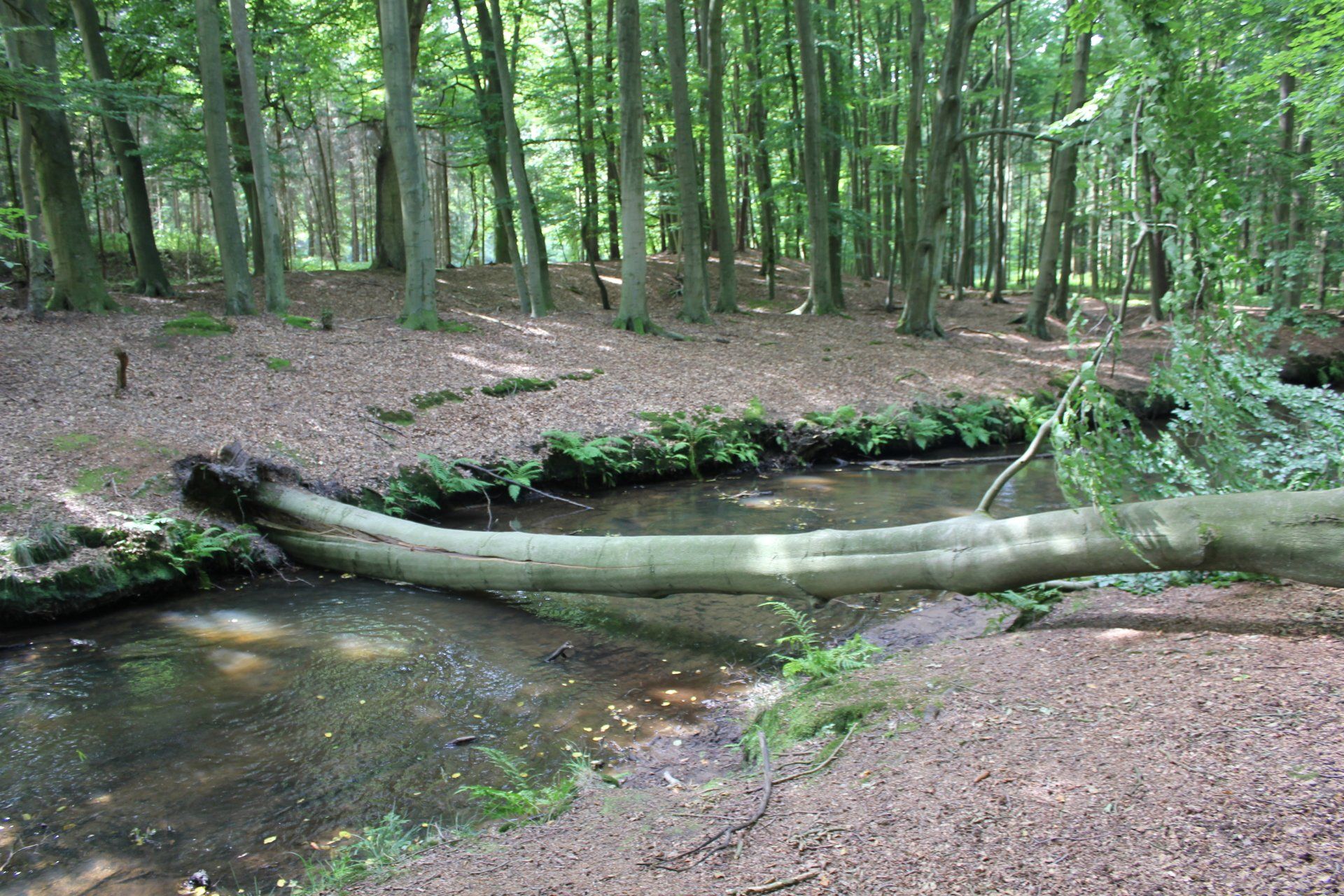
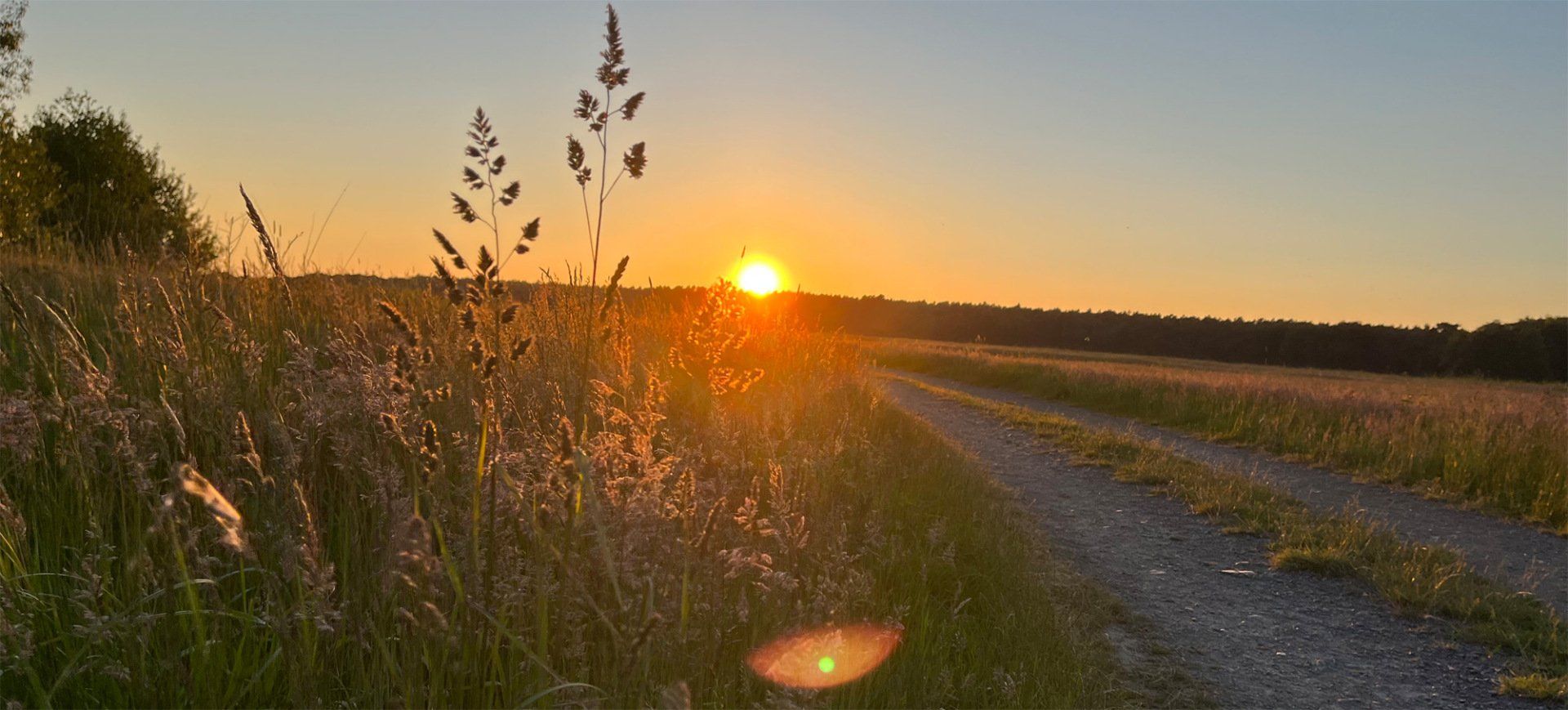
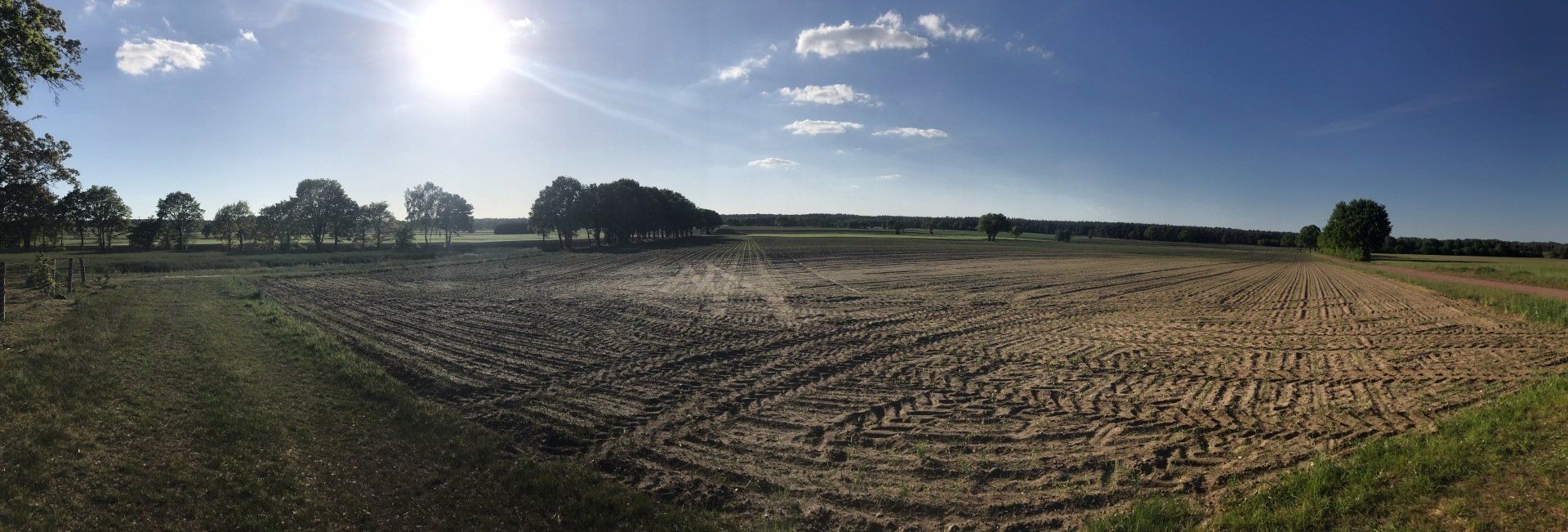
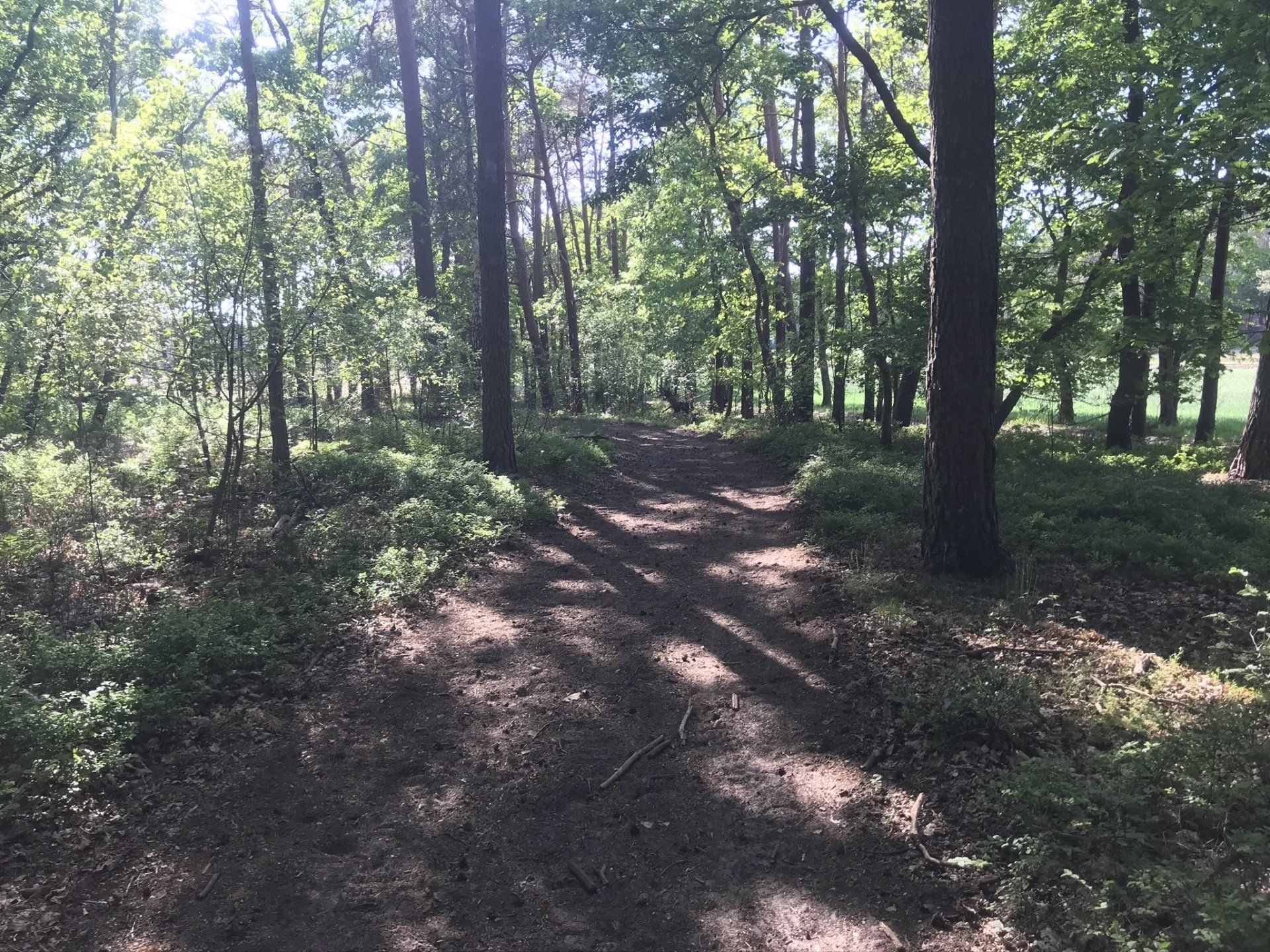
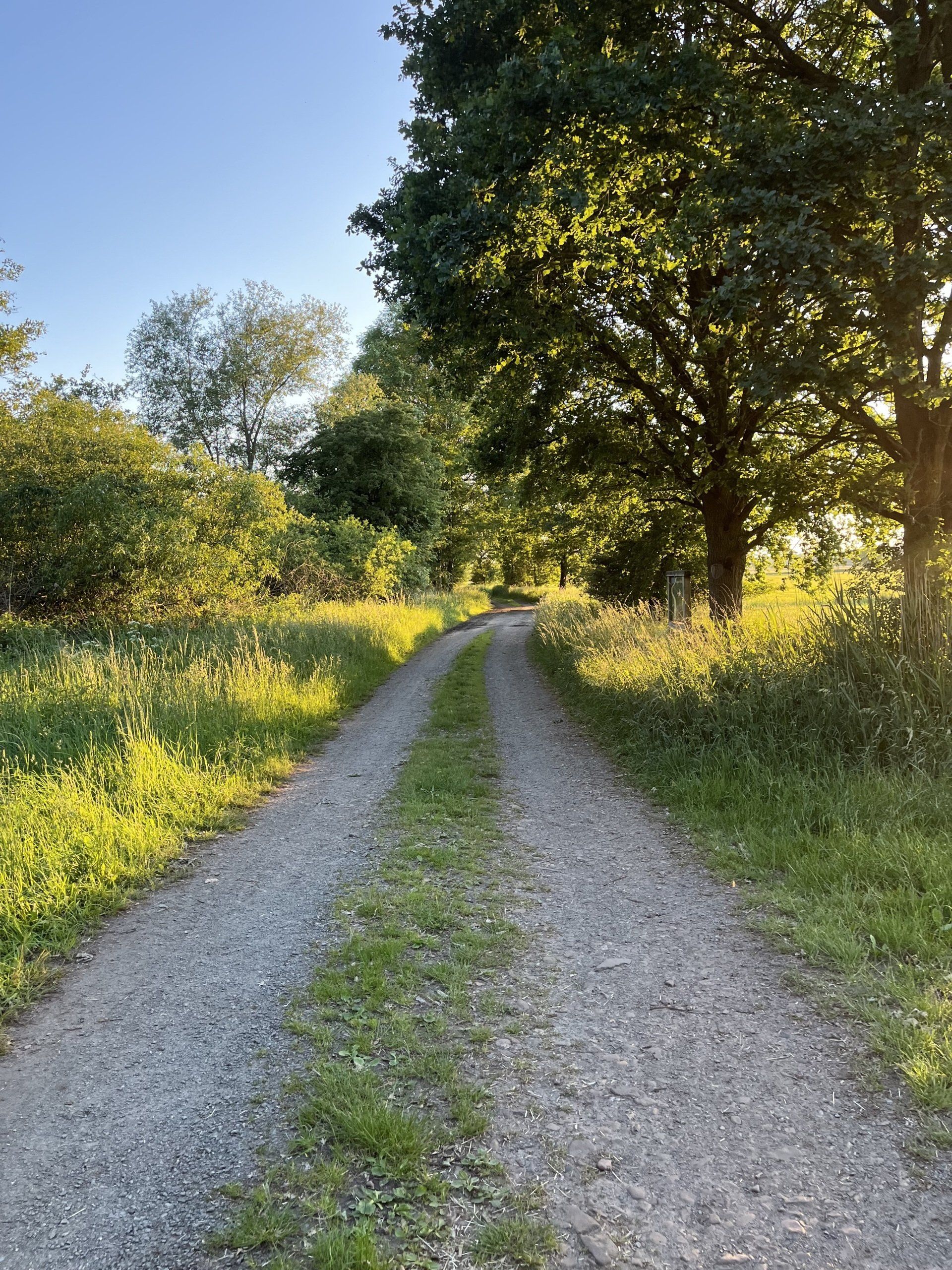
The Herb Route leads along well-maintained cycle paths, agricultural roads, and district and country roads through an attractive cultural landscape – the Wieste Lowlands herb region. Diverse biotopes with wet meadows, swamp forests, moors, and the Wieste River on one side, and agricultural fallow land and arable fields on the other, characterize the landscape.